
No Savior but Christ: When Politics Crosses a Sacred Line
By Dr. Eric M. Wallace
When a political leader is compared to Jesus Christ, something has gone deeply wrong—not in politics, but in the Church.
Recent comments by a spiritual advisor to President Donald Trump sparked backlash after she compared his personal and political struggles to the suffering of Christ, describing a “familiar pattern” of being “betrayed,” “arrested,” and “falsely accused.1” These remarks, made during an Easter event, quickly drew criticism across the political and theological spectrum, with many calling the comparison inappropriate and even blasphemous.2
While the controversy has been framed politically, the real issue is theological. This is not about whether one supports or opposes Donald Trump. It is about whether the Church is willing to guard the uniqueness and supremacy of Jesus Christ.
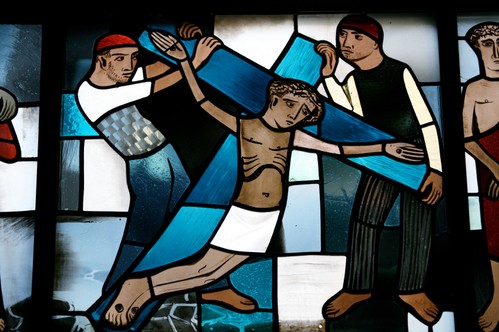
Scripture leaves no ambiguity about who Christ is. He is the sinless Son of God, the Lamb who takes away the sin of the world, and the only mediator between God and man. As Acts 4:12 (ESV) declares, “There is salvation in no one else.” The suffering of Christ was not symbolic, nor was it merely an example of perseverance under pressure. It was the once-for-all atoning sacrifice for sin.
To compare the political trials of any leader—Republican or Democrat—to the redemptive work of Christ is to collapse categories that must never be confused. The cross is not a metaphor for hardship. It is the center of human history and the foundation of our salvation. When we draw careless parallels, we do not elevate the leader—we diminish the Savior.
What makes this moment particularly significant is that it reveals a deeper issue within the Church. We are witnessing a growing tendency to blur the line between biblical authority and political allegiance. On one side, there are those who reshape biblical teaching to align with cultural trends. On the other hand, there are those who elevate political figures to near-spiritual significance. Both errors stem from the same root: a departure from the authority of Scripture.
This is what I have described as the heart of apostasy—not necessarily a rejection of faith, but a gradual reordering of it. When political outcomes become so important that we begin to adjust our theology to defend them, we have already lost something essential. The Church is no longer speaking prophetically to the culture; it is being shaped by it.
None of this means that Christians should withdraw from public life. The Church must engage the world, advocate for justice, and participate in the political process. But that engagement must always be governed by a biblical worldview. Political leaders may be used by God. They may promote policies that better align with biblical values. But they are not saviors, and they must never be treated as such.
Jesus Himself made this distinction clear when He said, “My kingdom is not of this world” (John 18:36, ESV). The Church must never confuse the kingdom of God with the kingdoms of men. When it does, it loses both its clarity and its credibility.
This moment should serve as a sobering reminder. The greatest threat to the Church is not simply secular opposition, but theological confusion from within. When we begin to speak about political leaders in terms that belong only to Christ, we reveal how easily our loyalties can drift.
There is only one who was betrayed, arrested, and crucified for the sins of the world. Only one who rose on the third day in victory over death. Only one who is worthy of our ultimate allegiance.
His name is Jesus Christ.
And the Church must never forget that. Because the moment we begin to compare political leaders to Christ, we have not elevated the leader—we have diminished the Savior.
____________
1. https://www.the-independent.com/news/world/americas/us-politics/paula-white-cain-spiritual-advisor-trump-jesus-christ-b2950689.html?utm_source=chatgpt.com
2. https://www.thedailybeast.com/white-house-censors-toe-curling-video-of-trump-being-compared-to-christ-by-paula-white/?utm_source=chatgpt.com
When a political leader is compared to Jesus Christ, something has gone deeply wrong—not in politics, but in the Church.
Recent comments by a spiritual advisor to President Donald Trump sparked backlash after she compared his personal and political struggles to the suffering of Christ, describing a “familiar pattern” of being “betrayed,” “arrested,” and “falsely accused.1” These remarks, made during an Easter event, quickly drew criticism across the political and theological spectrum, with many calling the comparison inappropriate and even blasphemous.2
While the controversy has been framed politically, the real issue is theological. This is not about whether one supports or opposes Donald Trump. It is about whether the Church is willing to guard the uniqueness and supremacy of Jesus Christ.
Scripture leaves no ambiguity about who Christ is. He is the sinless Son of God, the Lamb who takes away the sin of the world, and the only mediator between God and man. As Acts 4:12 (ESV) declares, “There is salvation in no one else.” The suffering of Christ was not symbolic, nor was it merely an example of perseverance under pressure. It was the once-for-all atoning sacrifice for sin.
To compare the political trials of any leader—Republican or Democrat—to the redemptive work of Christ is to collapse categories that must never be confused. The cross is not a metaphor for hardship. It is the center of human history and the foundation of our salvation. When we draw careless parallels, we do not elevate the leader—we diminish the Savior.
What makes this moment particularly significant is that it reveals a deeper issue within the Church. We are witnessing a growing tendency to blur the line between biblical authority and political allegiance. On one side, there are those who reshape biblical teaching to align with cultural trends. On the other hand, there are those who elevate political figures to near-spiritual significance. Both errors stem from the same root: a departure from the authority of Scripture.
This is what I have described as the heart of apostasy—not necessarily a rejection of faith, but a gradual reordering of it. When political outcomes become so important that we begin to adjust our theology to defend them, we have already lost something essential. The Church is no longer speaking prophetically to the culture; it is being shaped by it.
None of this means that Christians should withdraw from public life. The Church must engage the world, advocate for justice, and participate in the political process. But that engagement must always be governed by a biblical worldview. Political leaders may be used by God. They may promote policies that better align with biblical values. But they are not saviors, and they must never be treated as such.
Jesus Himself made this distinction clear when He said, “My kingdom is not of this world” (John 18:36, ESV). The Church must never confuse the kingdom of God with the kingdoms of men. When it does, it loses both its clarity and its credibility.
This moment should serve as a sobering reminder. The greatest threat to the Church is not simply secular opposition, but theological confusion from within. When we begin to speak about political leaders in terms that belong only to Christ, we reveal how easily our loyalties can drift.
There is only one who was betrayed, arrested, and crucified for the sins of the world. Only one who rose on the third day in victory over death. Only one who is worthy of our ultimate allegiance.
His name is Jesus Christ.
And the Church must never forget that. Because the moment we begin to compare political leaders to Christ, we have not elevated the leader—we have diminished the Savior.
____________
1. https://www.the-independent.com/news/world/americas/us-politics/paula-white-cain-spiritual-advisor-trump-jesus-christ-b2950689.html?utm_source=chatgpt.com
2. https://www.thedailybeast.com/white-house-censors-toe-curling-video-of-trump-being-compared-to-christ-by-paula-white/?utm_source=chatgpt.com

Dr. Eric M. Wallace, author of the new book, The Heart of Apostasy: How The Black Church Abandoned Biblical Authority for Political Ideology--And How to Reclaim It, is a trailblazing scholar, dynamic speaker, and passionate advocate for faith-based conservatism. With a distinguished academic background and an unwavering commitment to biblical truth, Wallace has become a leading voice challenging cultural and political narratives that conflict with a biblical worldview.
Wallace holds postgraduate degrees in biblical studies (M.A., ThM, Ph.D.), Wallace is the first African American to earn a Ph.D. in biblical studies from Union-PSCE (now Union Presbyterian Seminary). His scholarship and ministry experience equip him to address today’s most pressing sociopolitical issues through the lens of faith, reason, and historical accuracy.
Wallace holds postgraduate degrees in biblical studies (M.A., ThM, Ph.D.), Wallace is the first African American to earn a Ph.D. in biblical studies from Union-PSCE (now Union Presbyterian Seminary). His scholarship and ministry experience equip him to address today’s most pressing sociopolitical issues through the lens of faith, reason, and historical accuracy.
Recent
The Big Tent Party: Right? Sure? Whatever?
September 30th, 2026
Maybe we've become too Selfish?
August 20th, 2026
Equal Before God, Unequal in Gifts
August 20th, 2026
Beyond Personality Politics: A Biblical Framework for Evaluating Our Leaders
July 27th, 2026
The NAACP's Moral Crisis: When Civil Rights Abandons Biological Reality
July 8th, 2026
Archive
2026
January
March
THE GEOPOLITICAL CHESSBOARD AND THE SPIRITUAL WAR WE’RE IGNORING--Part 1THE SPIRITUAL DIMENSION AND THE CHURCH’S COMPLICITY--Part 2Racism, Sin, and the Republican Party: A Christian ResponseA Moment of Reflection on the Life of Rev. Jesse Jackson Sr.Black Americans Are Not Hyphenated CitizensWhen “Jesus Never Said That” Becomes a License for ApostasyWhen Scripture Is No Longer First: The Heart of Apostasy in the Black Church and American PoliticsDemocrats Good……Trump Bad
April
When Conviction Becomes Costly: Faith, Culture, and the Silence of the ChurchNo Savior but Christ: When Politics Crosses a Sacred LineWhat Good Is a Worldview If We Are Not Guided by It?When Resurrection Sunday Becomes Interfaith: Why the Church Must Guard the GospelSocialism in the City: When Government Tries to Play GodWords Matter: The Dangerous Illusion Behind “Mass Incarceration”More Degrees, More Debt, Less Direction: Why Illinois Is Looking the Wrong Way on Workforce DevelopmentNow, I suppose, he’s a Hitlerian KingJustice Without Partiality: What the Louisiana Ruling Reveals About America’s Heart
May
June
July
America at 250 and Freedom's Journal at 200: The Unfinished Work of FreedomThomas Jeremiah, America's Founding, and the Importance of Telling the Whole StoryThe NAACP's Moral Crisis: When Civil Rights Abandons Biological RealityBeyond Personality Politics: A Biblical Framework for Evaluating Our Leaders
2025
February
March
July
September
October
November
2024
January
Cartoon 01/01/24Cartoon 01/02/24Claudine Gay Betrayed the American Values of My Black Elders to Exploit White GuiltCartoon 01/03/24Cartoon 01/05/24Cartoon 01/06/24Cartoon 01/07/24Cartoon 01/08/24We need a David, not a SaulCartoon 01/13/24Cartoon 01/09/24Cartoon 01/10/24Cartoon 01/11/24Cartoon 01/14/24Cartoon 01/12/24What Happens to a King Deferred? A ReduxCartoon 01/15/24Cartoon 01/16/24The Good Guys with Guns Part 1Cartoon 01/17/24America Works. DEI Doesn’t.Cartoon 01/18/24Cartoon 01/23/24Good Guys with Guns Part 2Cartoon 01/19/24Cartoon 01/21/24Cartoon 01/22/24Cartoon 01/24/24Cartoon 01/26/24Cartoon 01/25/24Cartoon 01/27/24
No Comments